

How to Support a Friend After the Loss of a Dog (Without Saying the Wrong Thing)
When someone loses a beloved dog, it's natural to want to help. Yet many of us hesitate because we worry about saying the wrong thing, making the pain worse, or intruding on someone's grief. The truth is, your presence matters far more than perfect words. Often, the smallest acts of kindness become the ones people remember long after the hardest days have passed.
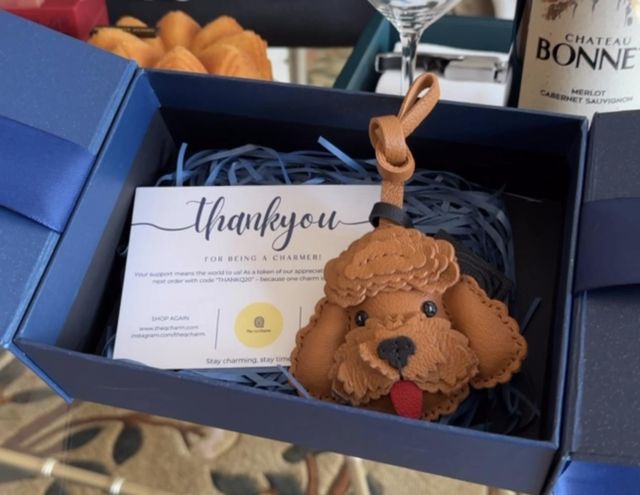
Support rarely begins with the perfect words. It begins with simply showing up.
Quick Answer
The best way to support a friend after the loss of a dog is to acknowledge their grief, listen without trying to fix it, and offer thoughtful gestures that reflect the love they shared with their companion. You don't need to have all the answers. Kindness, patience, and genuine presence are often enough.
Table of Contents
- Why Losing a Dog Can Feel So Overwhelming
- What Your Friend Needs Most Right Now
- What to Say (and What to Avoid)
- Thoughtful Ways to Show You Care
- Small Gestures That Last Longer Than Flowers
- Frequently Asked Questions
Why Losing a Dog Can Feel So Overwhelming
If you've never shared your life with a dog, it can be difficult to understand the depth of the loss.
For those who have, no explanation is needed.
Dogs become part of our routines in countless quiet ways.
They greet us when we come home.
They wait patiently while we make coffee.
They join us on evening walks, weekend adventures, and lazy afternoons on the sofa.
Their companionship is woven into ordinary life.
When they're gone, those ordinary moments suddenly feel unfamiliar.
This is why comments like "It was only a dog" can be so deeply hurtful.
To someone who is grieving, they weren't "only" anything.
They were family.
If you're looking for thoughtful ways to honor a beloved companion, we've also shared ideas in our guide to memorial gifts for someone who lost a dog.
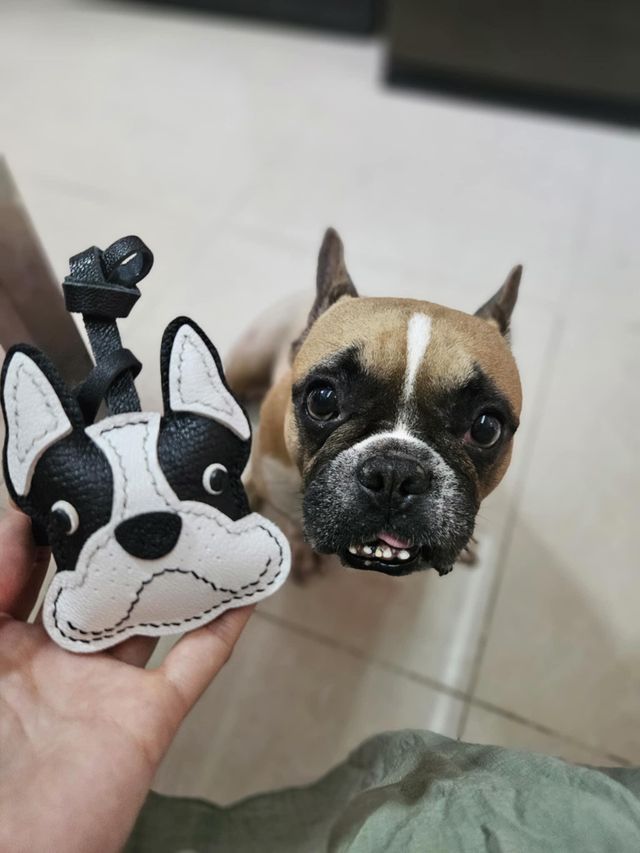
Grief often lives in the routines we shared together.
Remember
You don't need to fully understand someone's grief to treat it with kindness.
What Your Friend Needs Most Right Now
When someone you care about is grieving, the instinct to make things better is completely natural.
Unfortunately, grief isn't a problem waiting to be solved.
It isn't something that disappears after hearing the right advice or the perfect quote.
More often, people simply want to know they don't have to carry it alone.
That begins with listening.
Not listening so you can respond.
Listening so they feel heard.
Allow them to tell the same story more than once.
Let them laugh about funny memories without feeling guilty.
Let them cry without trying to change the subject.
Grief doesn't move in a straight line.
Some days they'll want to talk for hours.
Other days they'll barely mention it at all.
Both are normal.
Your role isn't to lead them through grief.
It's simply to walk beside them while they find their own way.
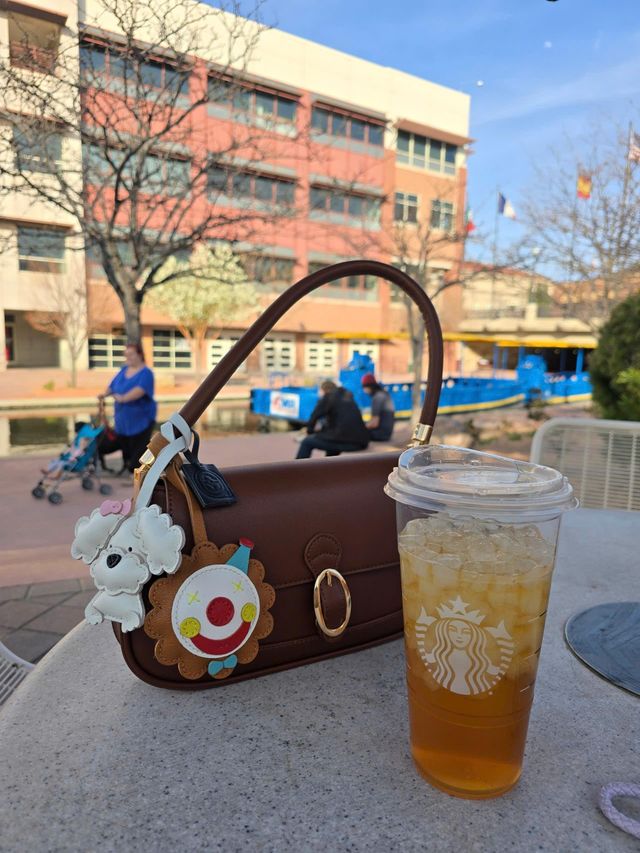
Sometimes the greatest comfort comes from being heard, not being advised.
What to Say (and What to Avoid)
One of the biggest fears people have after a friend loses a dog is saying the wrong thing.
That fear often leads to silence.
Yet silence can sometimes feel like the loss has been overlooked.
The good news is that you don't need perfect words.
You simply need honest ones.
Here are a few examples that many grieving dog owners have found comforting.
| Instead of Saying... | Consider Saying... |
|---|---|
| "You can always get another dog." | "I know how much they meant to you. I'm so sorry." |
| "At least they lived a long life." | "You gave them a life filled with love." |
| "Everything happens for a reason." | "I can't imagine how difficult this must be." |
| "Try not to think about it." | "If you'd like to talk about them, I'd love to listen." |
| Saying nothing because you're worried about making things worse. | "I've been thinking about you and wanted to check in." |
Notice that none of the helpful responses try to explain the loss.
They don't search for a silver lining.
They don't encourage someone to move on.
Instead, they acknowledge what has happened and make space for grief to exist without judgment.
Sometimes a single sincere sentence carries far more comfort than a long conversation.
If you're struggling to find the right words, here you can find a collection of thoughtful messages and sympathy card ideas written specifically for people grieving the loss of a beloved pet.
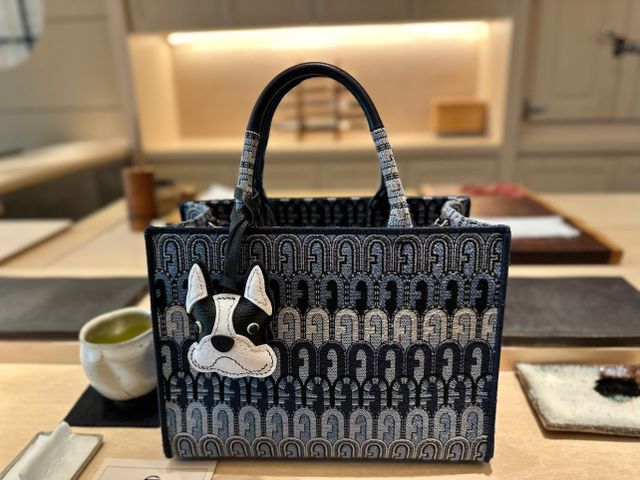
You don't need the perfect words. You simply need to let someone know they're not alone.
If You're Unsure What to Say
Keep it simple.
"I'm so sorry."
"I'm thinking of you."
"I know how much they meant to you."
Those few words are often remembered long after more elaborate conversations have faded.
Thoughtful Ways to Show You Care
Support doesn't always arrive through words.
Often, it's expressed through quiet acts of kindness.
The kind that asks for nothing in return.
Be Present
You don't need to fill every silence.
Simply spending time together can be enough.
Share a cup of coffee.
Take a walk.
Sit together without feeling the need to solve anything.
Share a Memory
If you knew their dog, tell them what you'll remember.
Perhaps it was the way they greeted every visitor.
Their endless excitement for tennis balls.
Or how they somehow knew exactly when someone needed comfort.
Hearing that their companion touched other people's lives often brings unexpected comfort.
Help With Everyday Tasks
Grief can make ordinary responsibilities feel surprisingly heavy.
Dropping off a home-cooked meal.
Running a simple errand.
Offering to pick up groceries.
These practical gestures quietly say,
"You don't have to do everything on your own today."
Choose a Thoughtful Keepsake
If you decide to give a gift, choose something that reflects the relationship rather than the occasion.
A handwritten letter.
A favorite photograph in a simple frame.
A donation made in their dog's name.
Or a handcrafted keepsake they can carry as part of everyday life.
If you're considering a keepsake, our collection of handcrafted dog bag charms was designed to celebrate the quiet bond people share with their companions. Each charm is handcrafted from genuine French goatskin leather and created to become part of everyday life rather than a keepsake tucked away in a drawer.
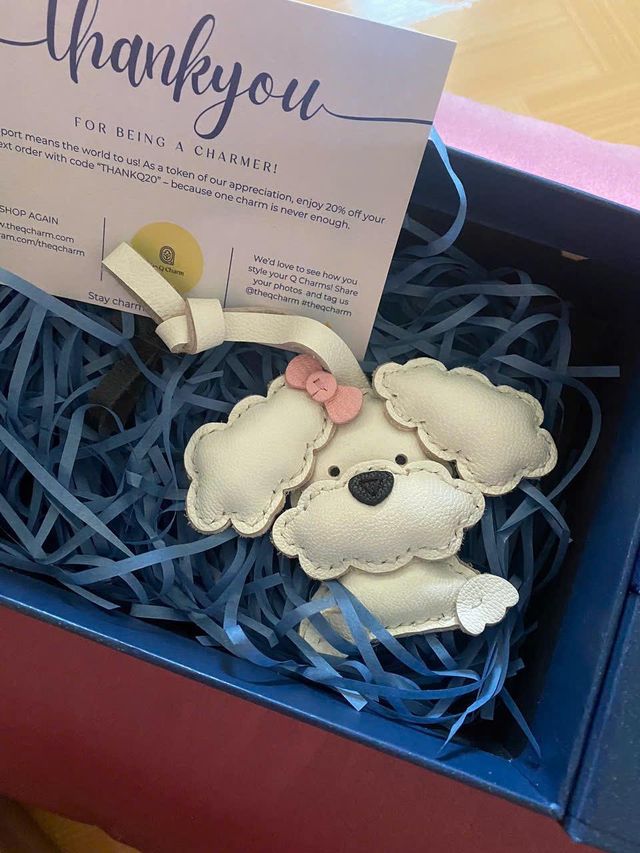
The most meaningful gifts rarely speak the loudest. They simply remind someone they are loved.
Small Gestures That Last Longer Than Flowers
Flowers are a thoughtful expression of sympathy.
They brighten a room during some of the hardest days.
Eventually, though, they fade.
The meals are finished.
The sympathy cards are tucked away.
Life slowly begins to look normal again, even when it doesn't feel that way.
This is often when grief becomes the quietest.
Friends return to their routines.
Conversations move on.
Yet the person who has lost a beloved dog is still adjusting to an empty space in everyday life.
A simple message sent a few weeks later.
A favorite photograph printed and framed months after the loss.
Remembering the anniversary of the day they met their dog instead of only the day they said goodbye.
These thoughtful gestures often leave a deeper impression because they remind someone their companion hasn't been forgotten.

The most meaningful gestures are often the ones that arrive after everyone else has moved on.
A Gentle Reminder
You don't need to wait for the "right" moment to check in.
Grief doesn't follow a calendar, and kindness never arrives too late.
Frequently Asked Questions
Should I send flowers when someone loses a dog?
Flowers are a thoughtful gesture, but they're only one way to express sympathy.
Many people also appreciate a handwritten card, a favorite photograph, a charitable donation in their dog's name, or a meaningful keepsake that lasts beyond the first few days.
Is it appropriate to give a sympathy gift for the loss of a dog?
Yes.
A thoughtful gift acknowledges the importance of the relationship without trying to lessen the grief.
The most meaningful gifts reflect the dog's life and the bond they shared rather than the loss itself.
What if I didn't know their dog personally?
You don't need to have known their companion to recognize your friend's grief.
A simple message of support or a thoughtful gesture shows that you care about the person who is hurting.
How long does grieving a dog usually last?
There is no standard timeline.
Some people begin to feel more like themselves after a few weeks, while others continue to feel moments of sadness years later.
Grief changes over time, but love doesn't disappear because time has passed.
Should I mention their dog months later?
Yes, if it feels natural.
Many grieving pet owners appreciate hearing their dog's name long after everyone else has stopped talking about them.
It reassures them that their companion is still remembered.
What's the most important thing I can do?
Simply be present.
You don't need perfect words.
You don't need the perfect gift.
Your willingness to listen, remember, and care is often what your friend will value most.
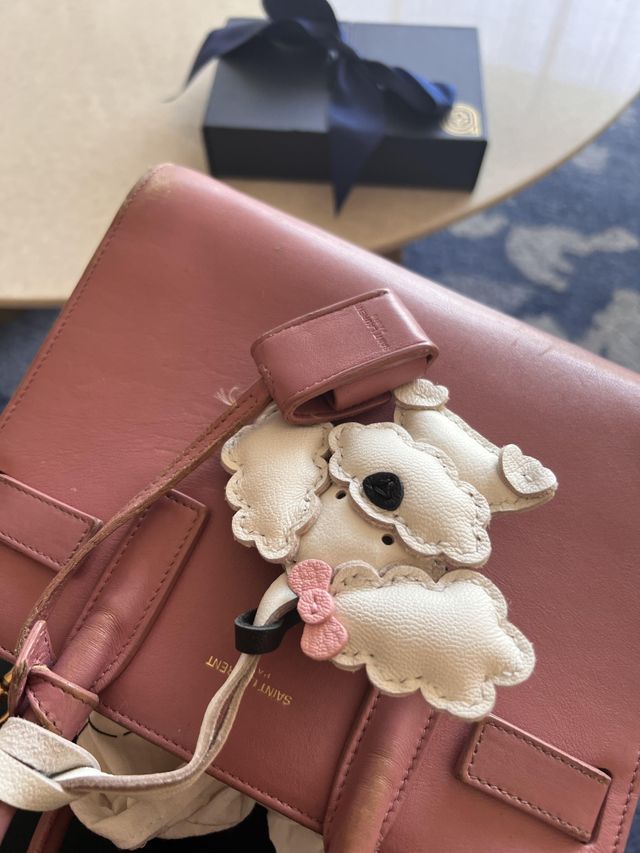
Sometimes the greatest comfort comes from knowing someone is willing to walk beside you.
You Don't Need Perfect Words
Supporting a friend after the loss of a dog isn't about finding the perfect thing to say.
It's about reminding them that they don't have to carry their grief alone.
A thoughtful message.
A shared memory.
A quiet afternoon together.
A meaningful keepsake.
These gestures don't erase loss.
They simply make the journey through it feel a little less lonely.
However you choose to show your support, what your friend will remember most is knowing they weren't expected to grieve alone.


